Striegau
Lübbecke
Striegau
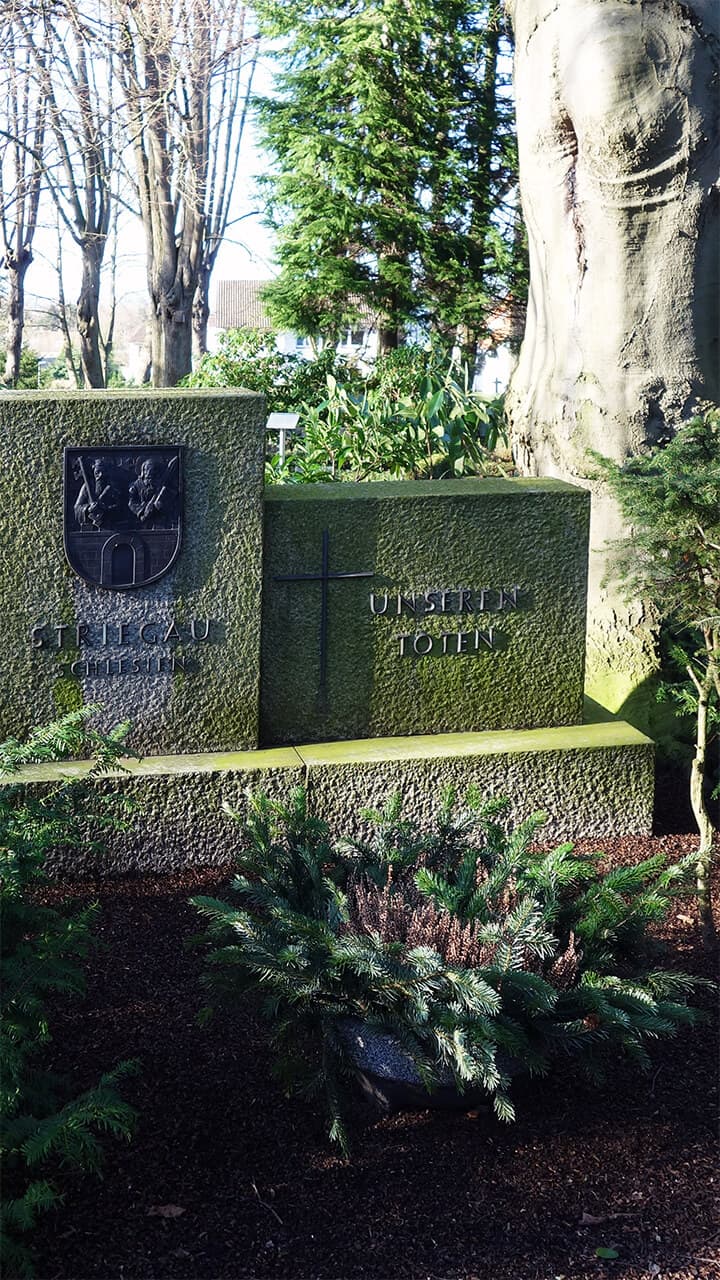
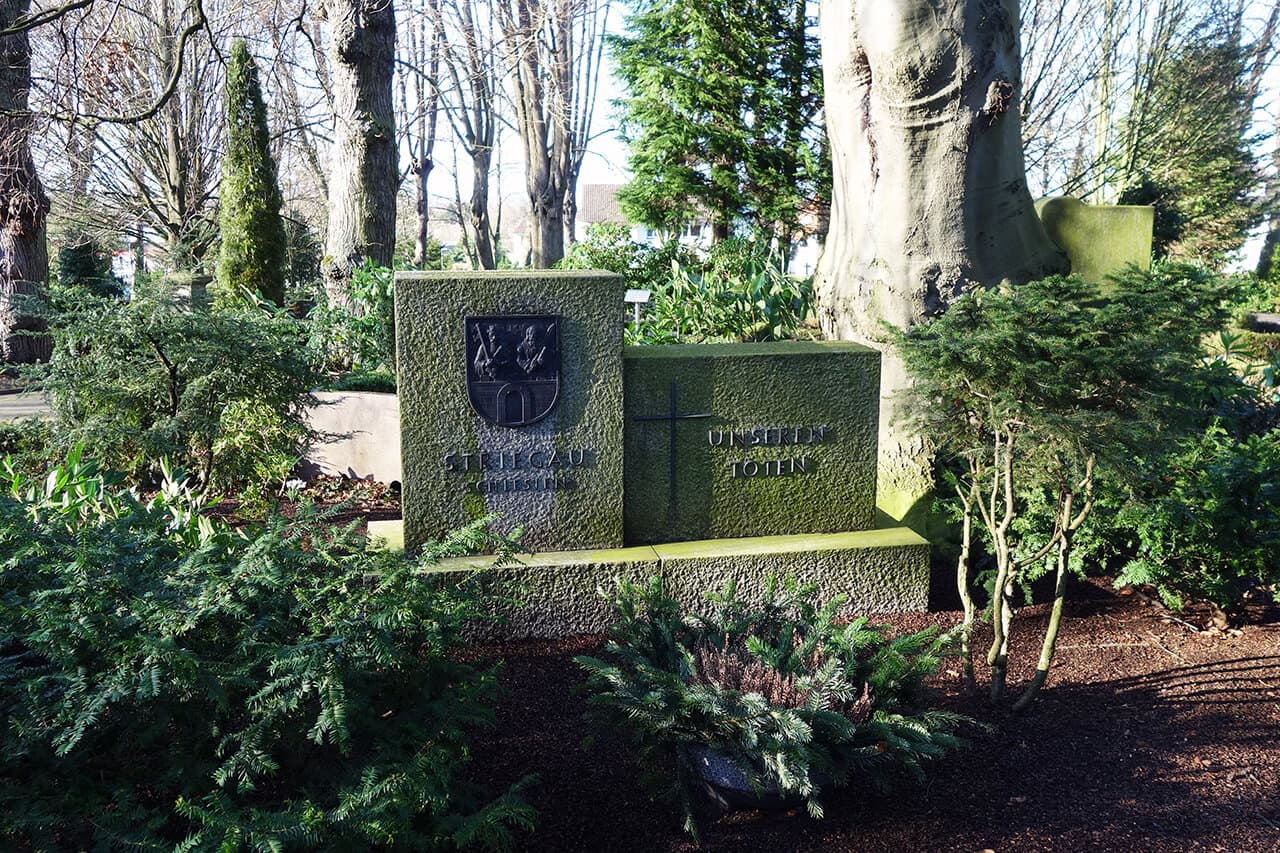
Hier befindet sich ein Gedenkstein zur Erinnerung an die im 2.Weltkrieg vertriebenen Striegauer aus Schlesien. Der Stein stammt aus einem der Granitsteinbrüche der Stadt. Die Gedenkstätte wurde 1968 eingerichtet. Damals war es den Angehörigen nicht möglich, nach Polen zu reisen.
Am 27. Oktober 1960 beschloss der Rat der Stadt Lübbecke, die Patenschaft für die schlesische Stadt Striegau zu übernehmen. Als Zeichen der Verbundenheit erhielt eine Straße in Lübbecke den Namen Striegauer Straße. Im Stadtmuseum wurde eine „Heimatstube“ eingerichtet. Weitere Spuren der Partnerschaft in der Stadt: Eine kleine Glocke der Striegauer Pfarrkirche St. Peter und Paul in der Mauer des Burgmannshofes, ein Meilenstein aus Striegauer Granit vor der Stadthalle und eine Büste des Striegauer Schriftstellers Johann Christian Günther, die lange im Wittekind-Gymnasium stand und jetzt im Museum eine neue Heimat gefunden hat. Pfingsten 1962 fand in Lübbecke das erste Bundesheimattreffender Striegauer statt. Danach gab es alle zwei Jahre weitere Treffen, die traditionell durch das Läuten der Striegauer Glocke im Burgmannshof eröffnet wurden.
Durch Vertrag vom 1. Juni 2007 übereignete die „Bundesheimatgruppe Striegau Stadt und Land e.V.“ den gesamten Inhalt der Heimatstube an Museum und Stadtarchiv Lübbecke. Seitdem wird die Heimatstube als „Striegauer Sammlung“ bezeichnet. Zum Sammlungsbestand in Lübbecke zählen neben archäologischen Funden, Münzen und Notgeld auch Gemälde und Grafiken, Porzellan sowie einige Textilien. Hervorzuheben ist die Fahne der Friseur- und Perückenmacher-Innung von 1925 und das Fragment einer Urkunde aus dem 18. Jahrhundert.
Mit der Auflösung der Bundesheimatgruppe 2021 endete auch die langjährige Patenschaft.