Russian Germans
Russian Germans
Russlanddeutsche
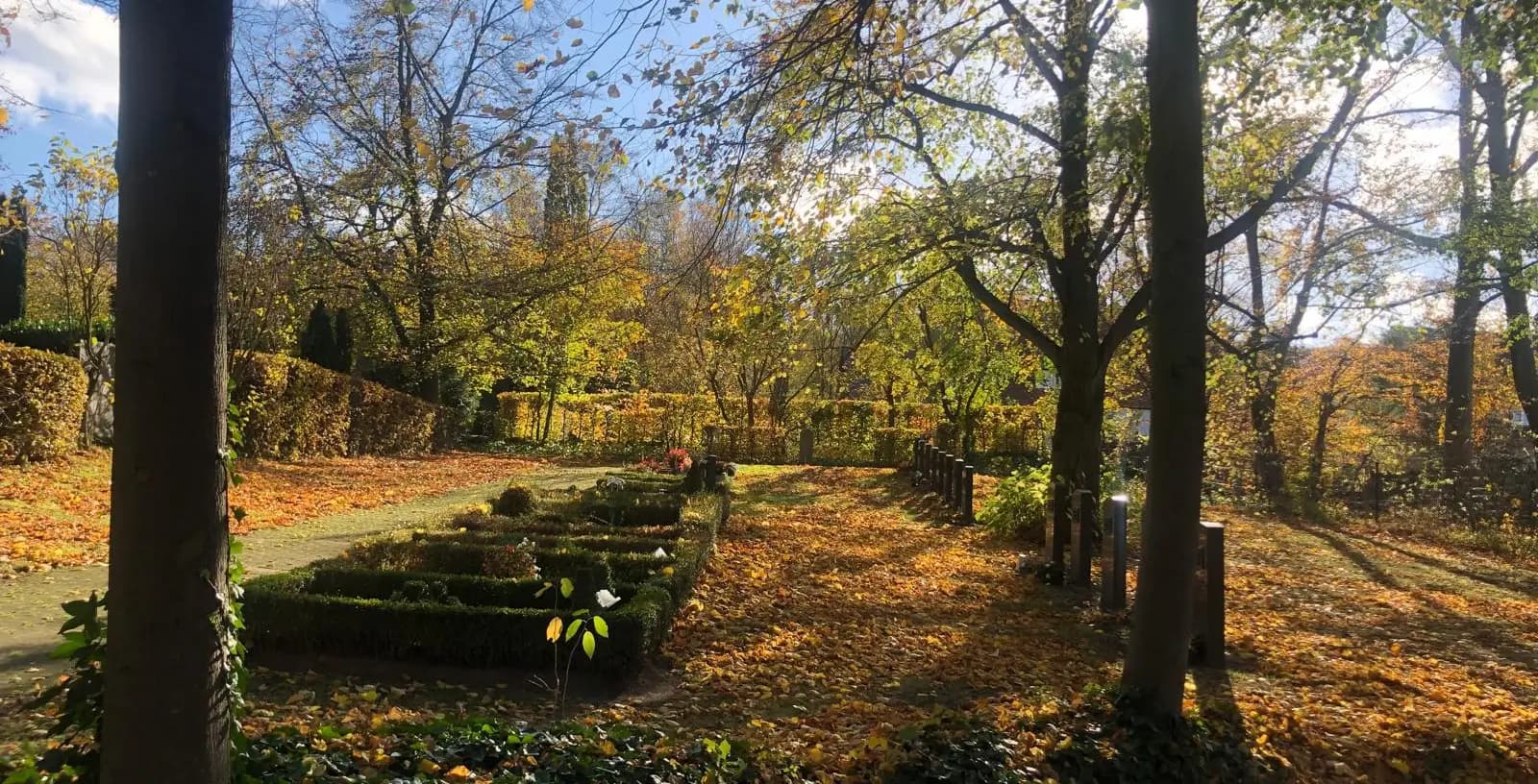
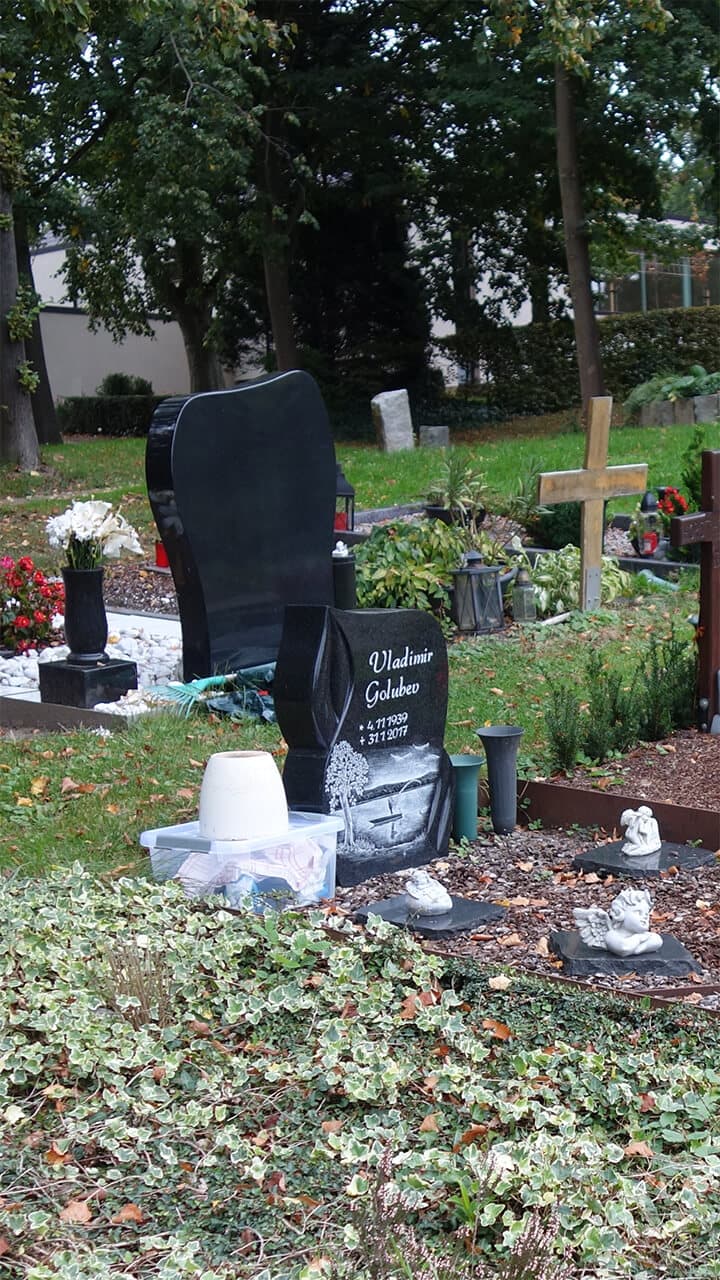
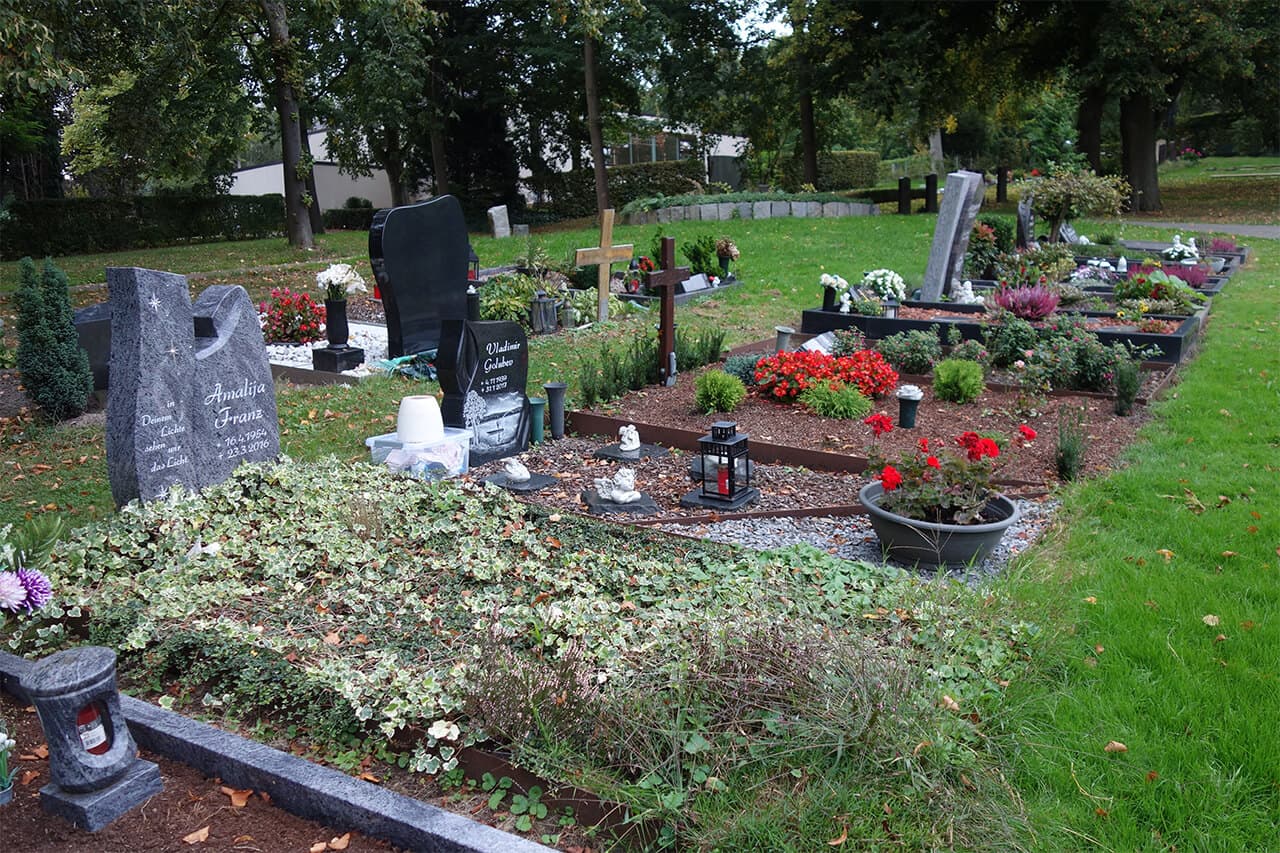
Die Namen auf den Grabsteinen verraten: Hier finden wir zahlreiche Grabstellen von russlanddeutschen Spätaussiedlern. Den Familien war es wichtig, ihre Verstorbenen in „unberührte“ Erde und nicht auf eine vorherige Grabstelle zu bestatten. Dieser Wunsch konnte auf dem Rasenfriedhof und mit der Erweiterung des Friedhofs 1998 erfüllt werden.
Als "Russlanddeutsche" werden die Nachfahren von deutschen Siedlern bezeichnet, die sich seit der zweiten Hälfte des 18. Jahrhunderts in verschiedenen Regionen des Russischen Reiches niedergelassen hatten. Als Sammelbezeichnung gibt es diesen Begriff erst seit dem 20. Jahrhundert. Zuvor standen die konfessionellen und regionalen Unterschiede zwischen den evangelischen, katholischen und mennonitischen Kolonisten an der Wolga, im Schwarzmeergebiet, im Kaukasus und in anderen Regionen des Russischen Reiches im Vordergrund.
Im 1.Weltkrieg wurden die Russlanddeutschen wegen ihrer deutschen Herkunft vom Zarenregime als "innerer Feind" verfolgt. Sie wurden oftmals enteignet und umgesiedelt.
Im 2.Weltkrieg wurden Russlanddeutsche ab Ende August 1941 von der Wolga, der Krim, aus dem Kaukasus und dem Süden Russlands nach Sibirien deportiert. Die Deutschen im Schwarzmeergebiet blieben zunächst von der Deportation verschont und gerieten unter deutsche Besatzungsherrschaft. In den Jahren 1943/44 wurden sie von den NS-Behörden ins besetzte Polen umgesiedelt. Von dort flohen sie gegen Kriegsende vor der vorrückenden Roten Armee nach Deutschland.
Erst in den 1970er Jahren kam es zu zahlreichen Ausreisen in die Bundesrepublik. Hier fanden die Russlanddeutschen Aufnahme bei ihren Verwandten, da die Aussiedlung während des Kalten Krieges nur als Familienzusammenführung möglich war. Die Mehrheit der Russlanddeutschen konnte erst im Zuge der Perestroica ab etwa 1987 und nach dem Zerfall der Sowjetunion nach Deutschland emigrieren.