Max Lazarus
Lübbecke
Max Lazarus
Table of contents
Lübbecke
Max Lazarus
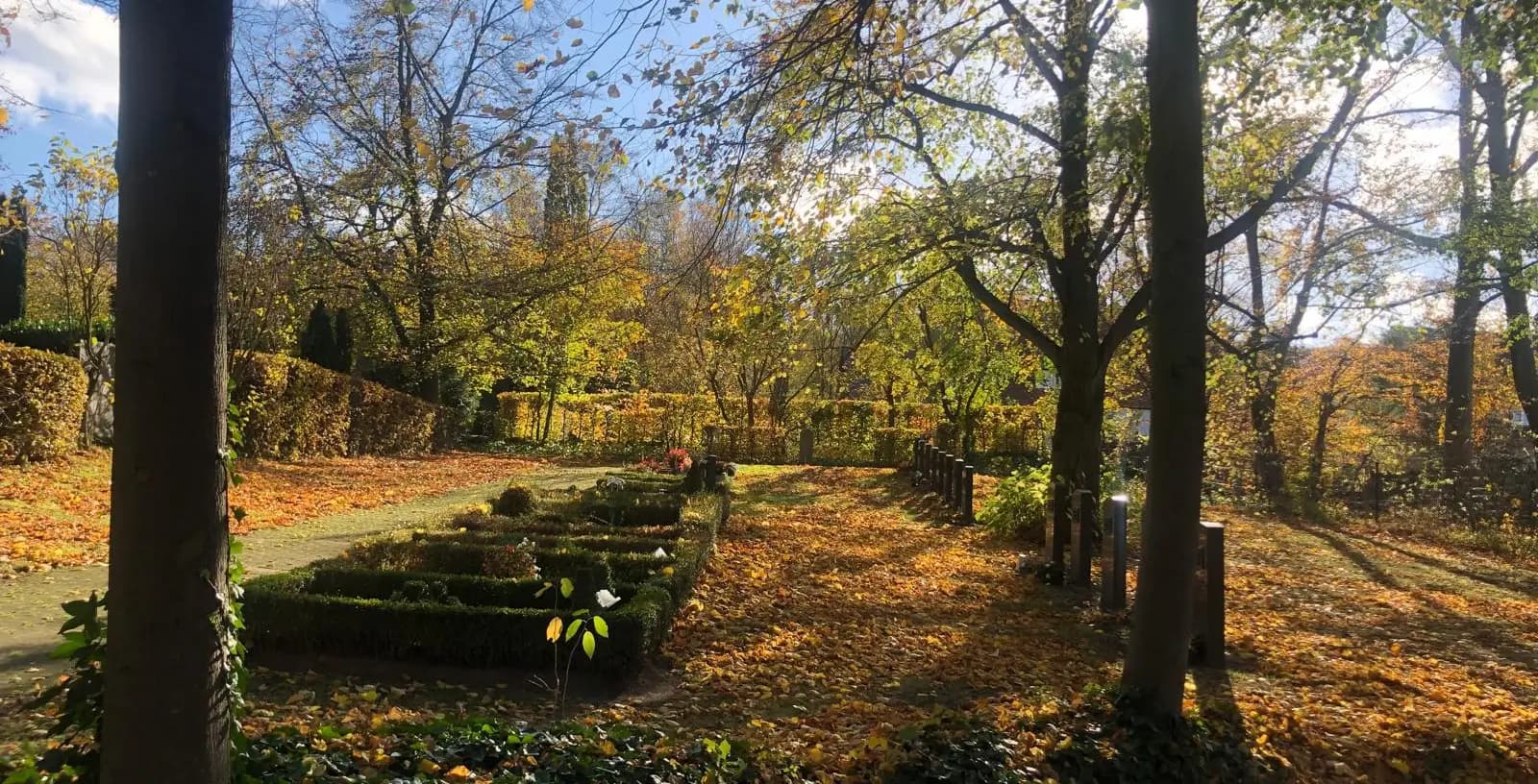
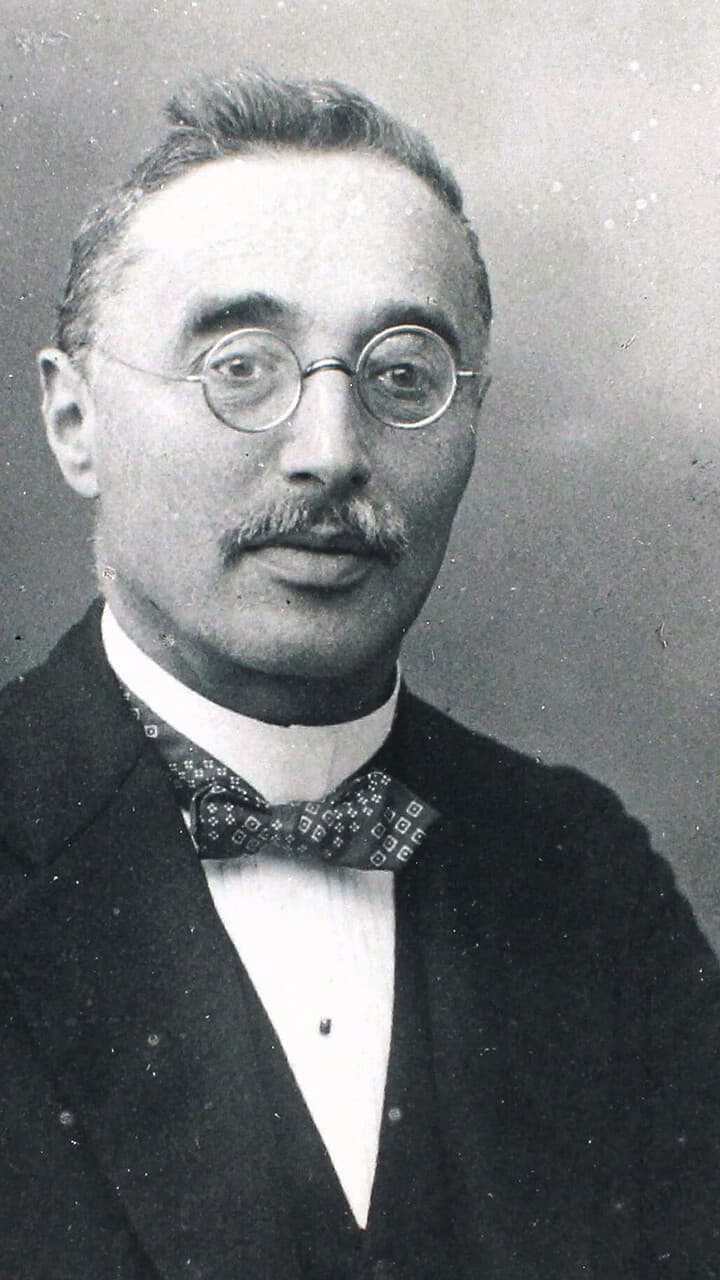
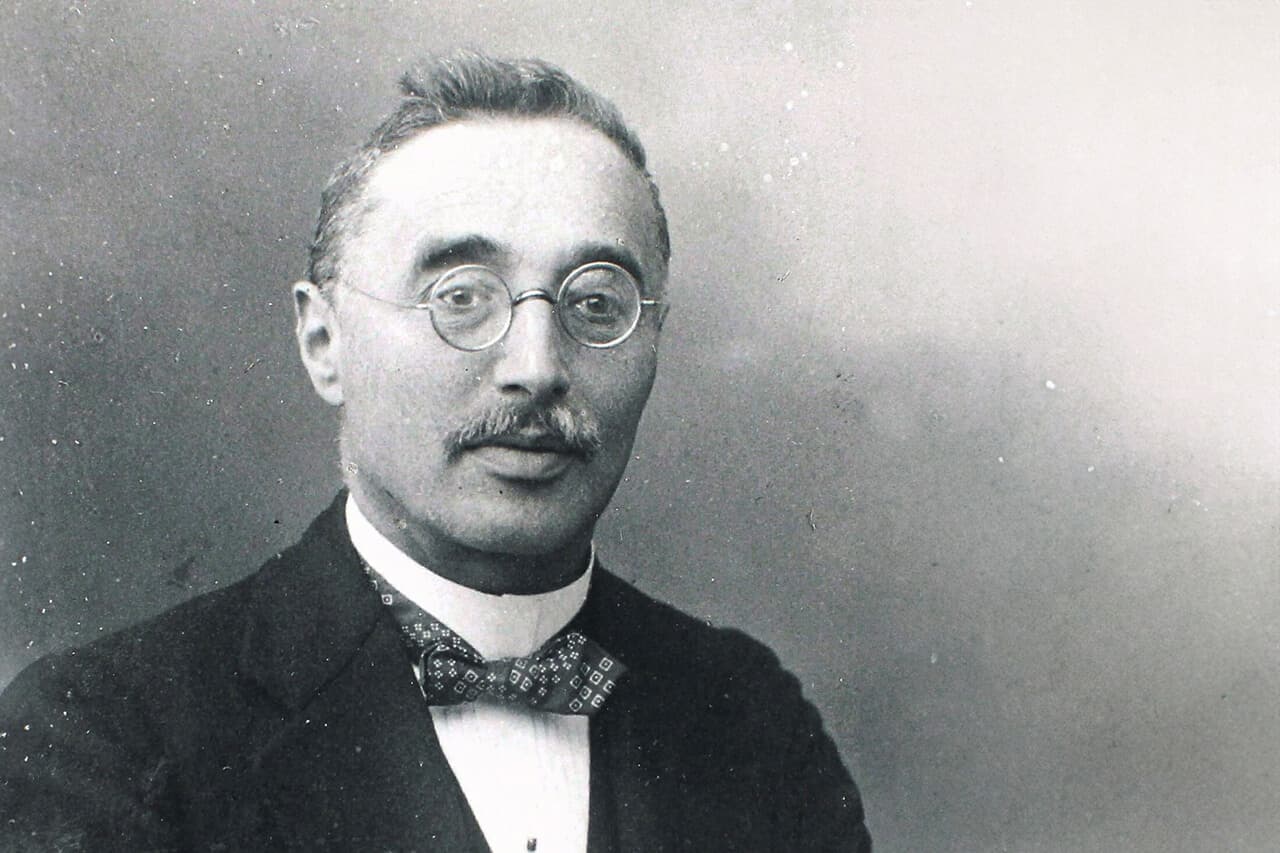
Max Lazarus war Lehrer und Kantor der jüdischen Gemeinde. Er kam 1892 mit seiner Frau Julie nach Lübbecke, hier wurden seine beiden Kinder Lothar und Ilse geboren. Knapp 48 Jahre lang hat die Familie in Lübbecke gelebt. Im März 1939 gelang ihnen die Ausreise nach Israel. Dort verfasste Max Lazarus seine Erinnerungen an die Jahre 1892 – 1919 in Lübbecke. Nachkommen von Max und Julie Lazarus leben noch heute in Israel und halten Kontakt zu Lübbecke.
Max Lazarus war in Lübbecke sehr angesehen und geschätzt. Er war im gesellschaftlichen und kulturellen Leben in Lübbecke auf vielfältige Art eingebunden. Seine jüdische Gemeinde reichte weit über die Stadtgrenze hinaus. Neben seiner Tätigkeit als Lehrer und Kantor hat er auch nicht-jüdische Kinder unterrichtet, Nachhilfe erteilt und war mehr als 20 Jahre lang an der Berufsschule tätig. In den 1920er Jahren leitete er den Gehlenbecker Volkschor. Er schrieb Gedichte, Dramen, pädagogische Aufsätze und Lieder. Durch seine Aufzeichnungen wissen wir viel über das Leben in Lübbecke und in seiner jüdischen Gemeinde. Trotz seines hohen Ansehens in Lübbecke waren er und seine Familie während der NS-Zeit antijüdischen Repressalien ausgesetzt. Schließlich gelang ihnen noch vor Kriegsausbruch die Ausreise.
Dr. Ariel Lazarus ist der Urenkel des letzten jüdischen Kantors von Lübbecke und ein international anerkannter, preisgekrönter Musiker. Er war bereits einige Male zu Gast in der Stadt seiner Urgroßeltern und pflegt gute Kontakte zur Lübbecker Kantorei.
Lübbecke
Max Lazarus
Lübbecke
Max Lazarus
Ariel Lazarus hat uns sein Lied "Shamayim V'aretz" (Himmel und Erde) für diese App zur Verfügung gestellt. Gesungen wird auf Hebräisch:
Max Lazarus
Aus der Vergangenheit lernen
Wer die Vergangenheit nicht kennt, kann die Gegenwart nicht verstehen und die Zukunft nicht gestalten. (Helmut Kohl)
Du bist gefordert: Mach dich schlau und bilde dir deine eigene Meinung!
Der jüdische Friedhof ist ein starkes Mahnmal gegen Ausgrenzung, Unterdrückung und Machtmissbrauch. Hätte es die Nazis nicht gegeben, würde hier noch bestattet, würden Familien die Gräber ihrer Angehörigen pflegen, gehörte die Synagoge zum Stadtbild. Auch auf dem städtischen Friedhof findest du die Spuren von den Opfern durch Verfolgung, Krieg und Flucht. Im Gedenken an die Opfer der Schreckensherrschaft des NS-Regimes findet jährlich am 9. November in Lübbecke der „Weg der Erinnerung“ statt. Er endet mit einer Kranzniederlegung am Platz der Synagoge. Am Volkstrauertag gedenken wir der Opfer beider Weltkriege mit einer Feier und Kranzniederlegung am Kriegerdenkmal im Heldenhain in Lübbecke.