Sinti & Roma
Sinti & Roma
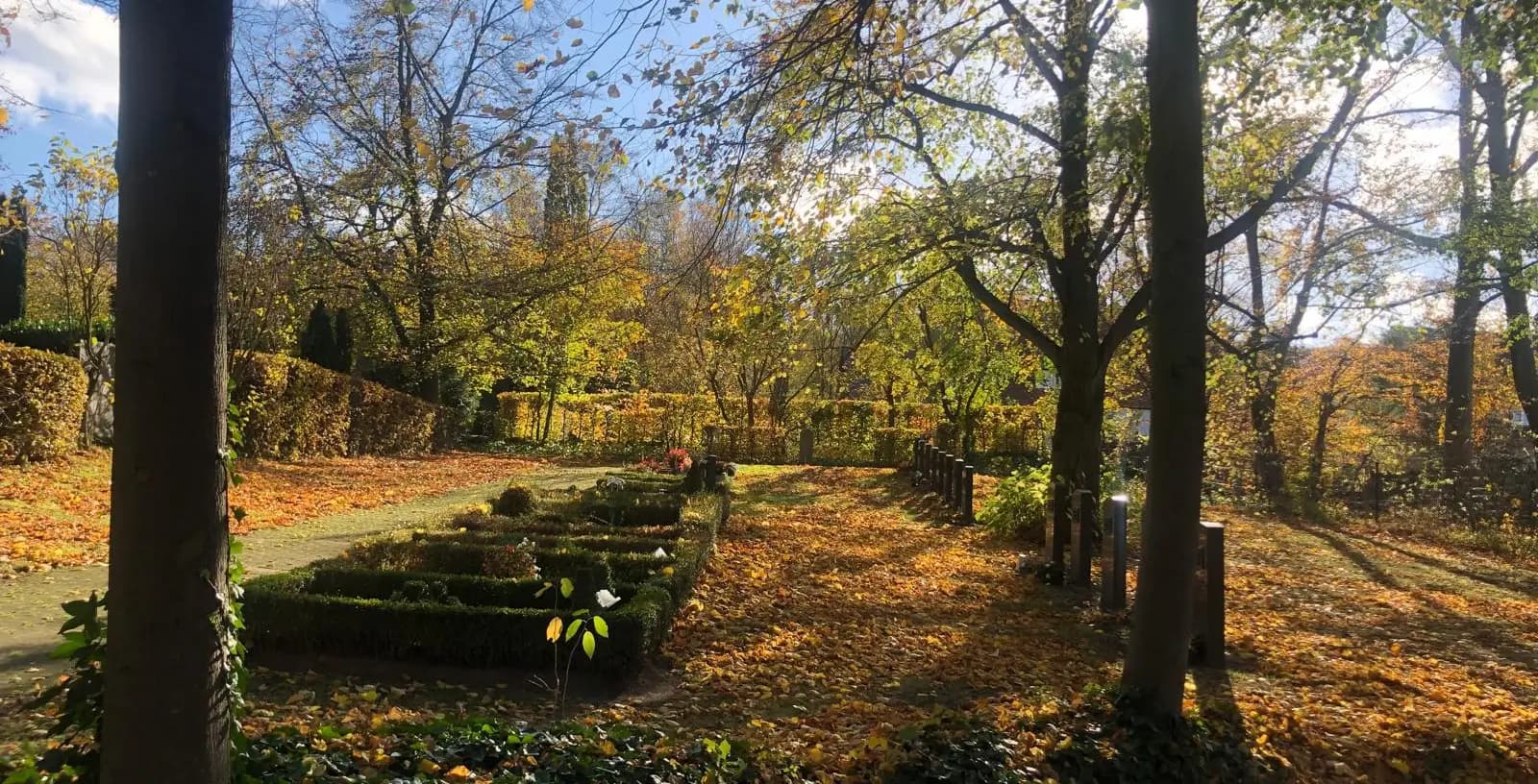
Grabstätten von Sinti & Roma Familien
1917, während des 1.Weltkriegs, starb Meisel Schmidt. Er war Oberhaupt einer Sippe, die sich in Lübbecke aufhielt. Der evangelische Pfarrer Güse sorgte dafür, dass Meisel Schmidt hier auf dem Friedhof beigesetzt werden konnte. Die Mitglieder seiner Sippe werden auch heute noch hier bestattet.
Die Gräber sind alle Kammergräber. Die Bestattung erfolgt in der Regel in Holzsärgen mit Zinkeinsätzen. Bei der weiten Anfahrt der über ganz Europa verstreut lebenden Familien ist der Transport bzw. auch die Lagerung der Leichen durch Seuchenverordnung geregelt. Bis die Familien in Lübbecke eintreffen und die Grabstätten hergerichtet sind, vergeht einige Zeit. Alle Lübbecker Gräber der Sinti und Roma sind Familien- bzw. Sippengräber.
Im 1.Weltkrieg haben sie, wie auch die Juden, als Soldaten im Einsatz gedient. Im Dritten Reich wurden sie wie die Juden verfolgt. In Lübbecke sind ihre Gräber während des 2.Weltkriegs nie geschändet worden. Sinti und Roma sind Katholiken.
Sinti und Roma leben seit mehr als 600 Jahren in Deutschland. Immer wieder erlebten sie in dieser Zeit Vorurteile, Ausgrenzung und Verfolgung. Nach Schätzungen leben in Deutschland heute etwa 60.000 deutsche Sinti (west- und mitteleuropäische Herkunft) und rund 10.000 deutsche Roma (ost- und südeuropäische Herkunft). Außerhalb des deutschen Sprachraums wird Roma als Name für die gesamte Minderheit verwendet. Neben Deutsch sprechen sie als zweite Muttersprache die Minderheitensprache Romanes. Die deutschen Sinti und Roma leben im gesamten Bundesgebiet.
Lübbecke
Sinti & Roma
Sinti & Roma
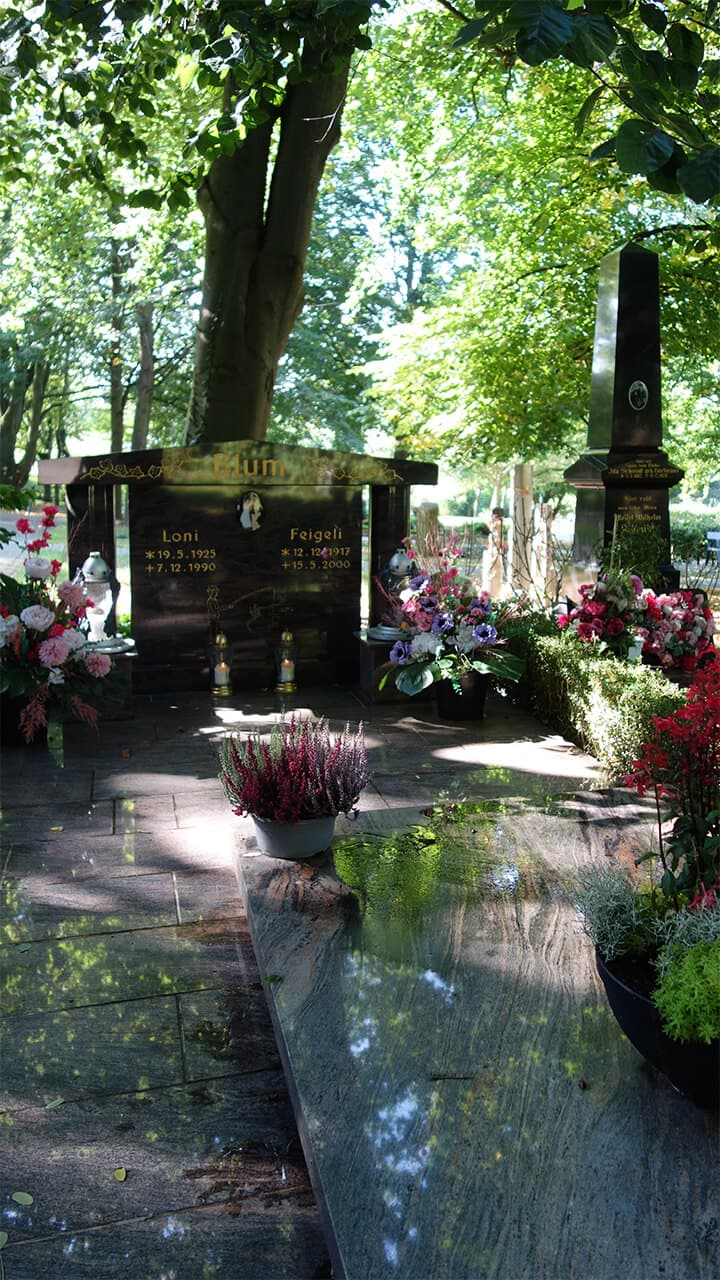
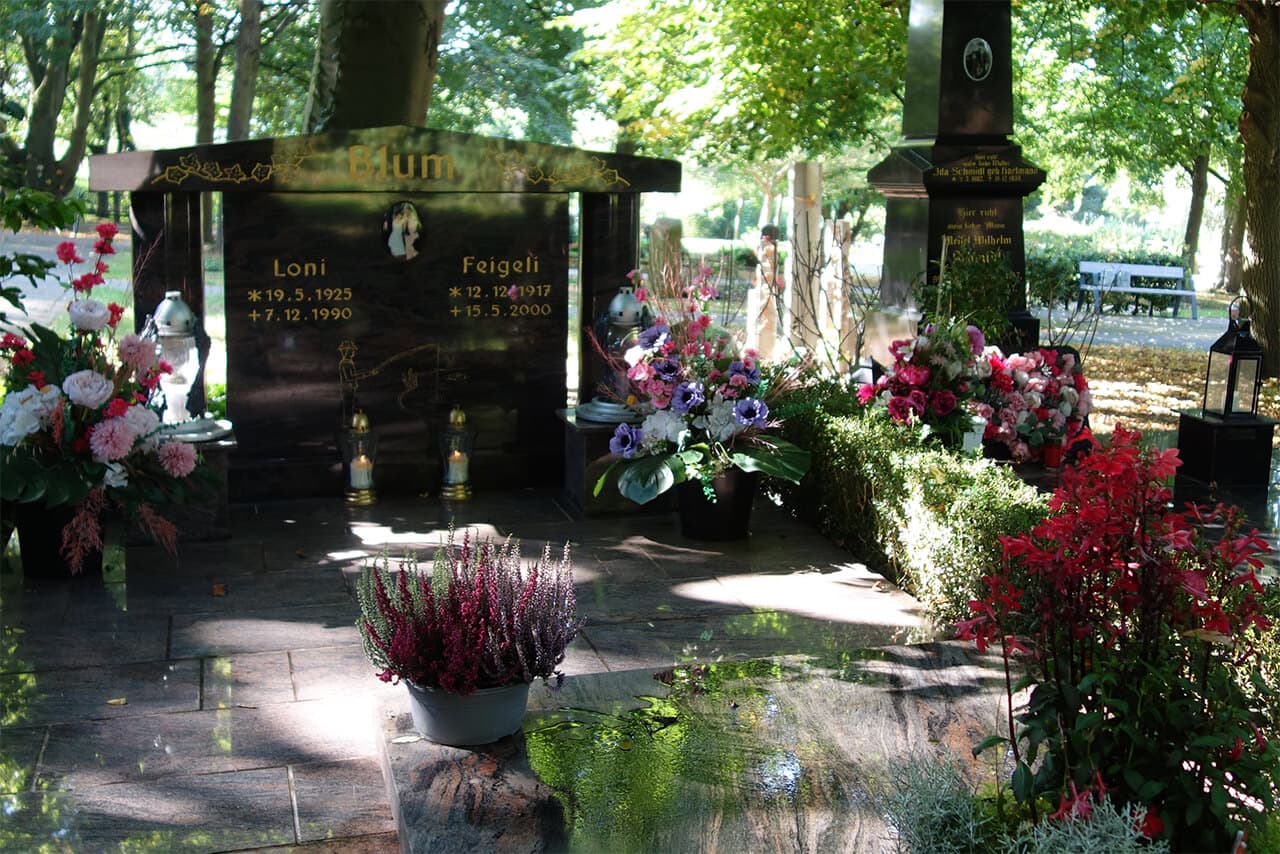
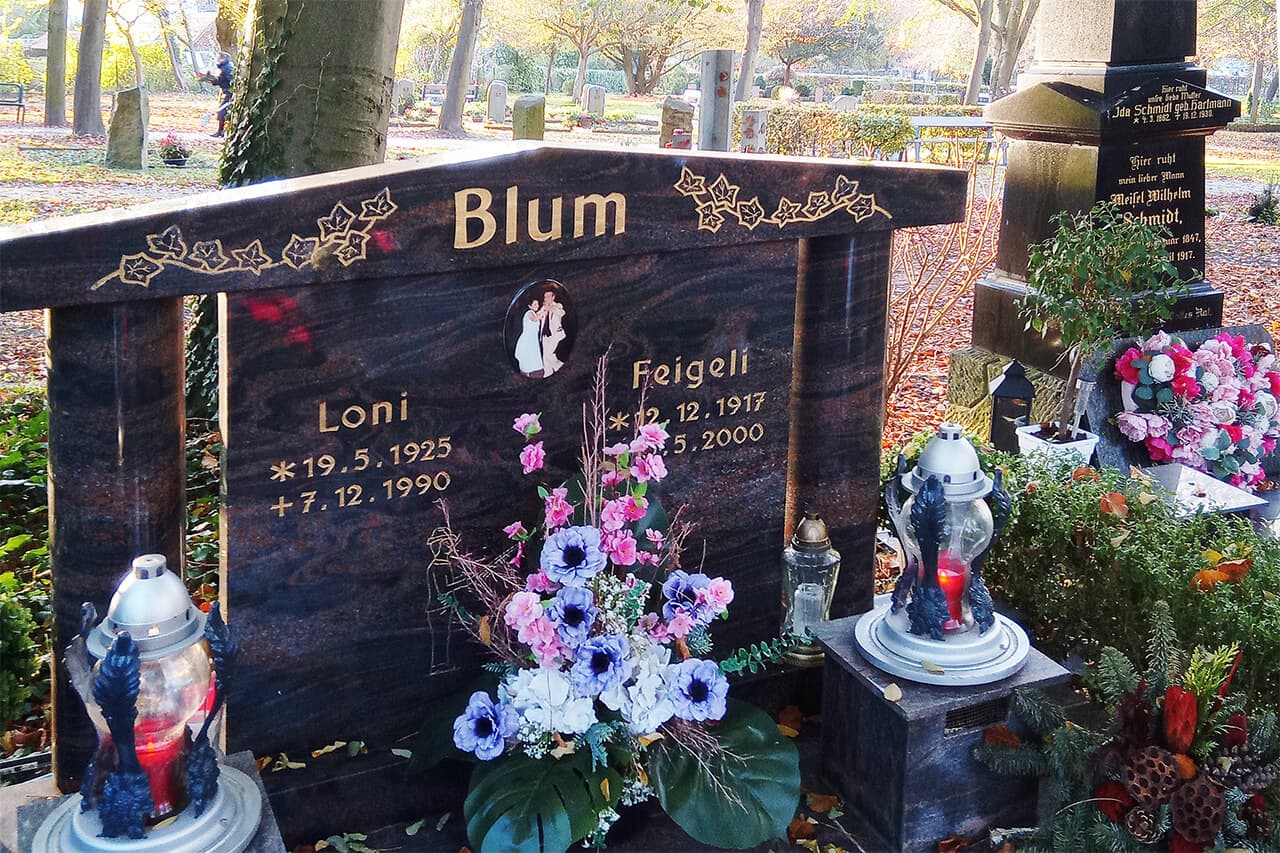
Feigeli und Loni Blum: Liebeserklärung an einen Tanz
Wirf deine Schuhe weg und tanze
Spüre die Erde unter den Füßen
Die Wurzeln der Klänge
Wirf deine Schuhe weg und tanze
Fühle und höre ihr Trommeln
Tauch ein in den Rhythmus des Lebens.
Wirf deine Schuhe weg und tanze
Lass die Musik deinen Körper erobern und deine Seele
Schließ deine Augen und träume
Tanze und träume und tanze die Liebe
Tanze und träume und tanze das Leben
Tanze und tanze und tanze
(unbekannter Verfasser)