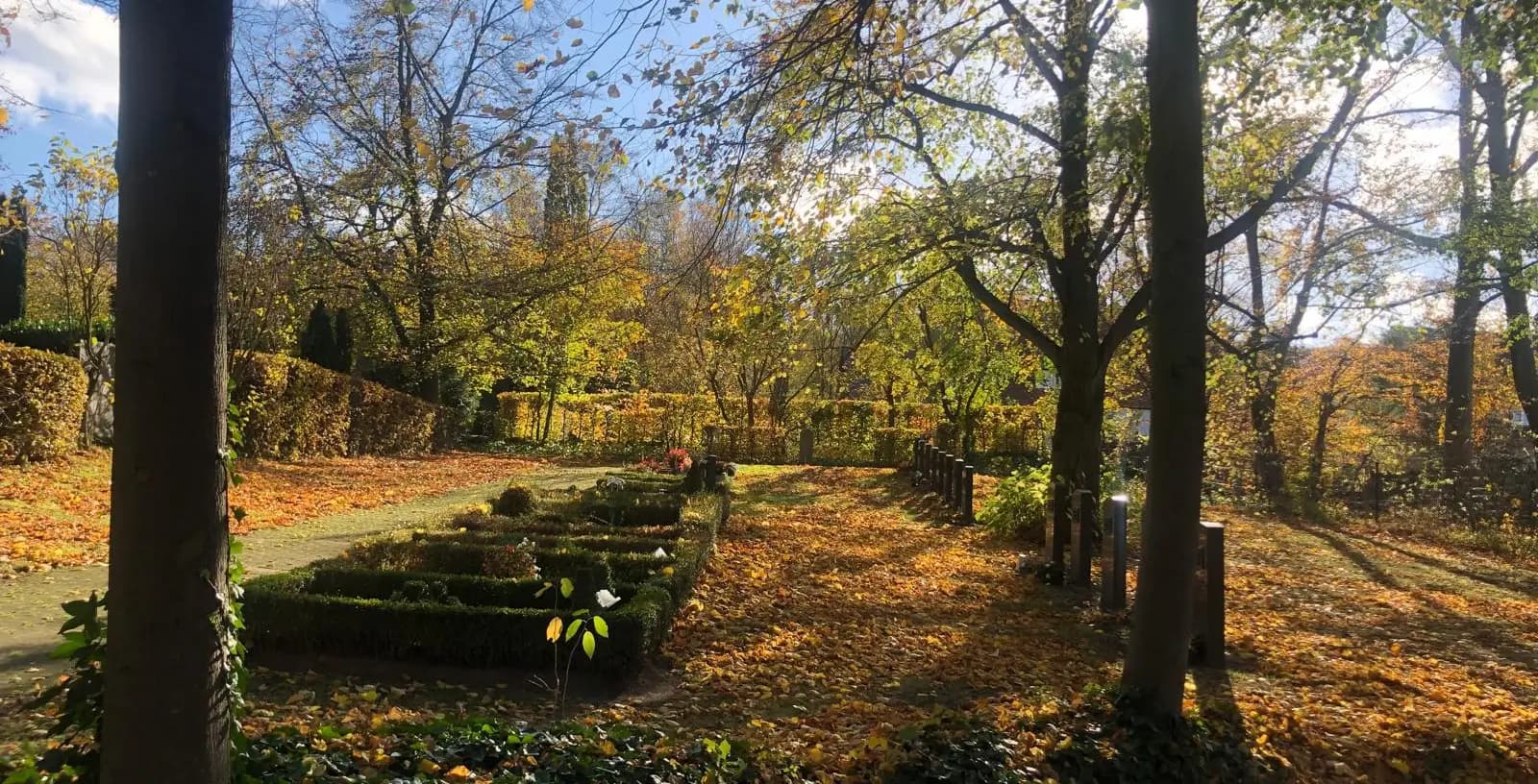
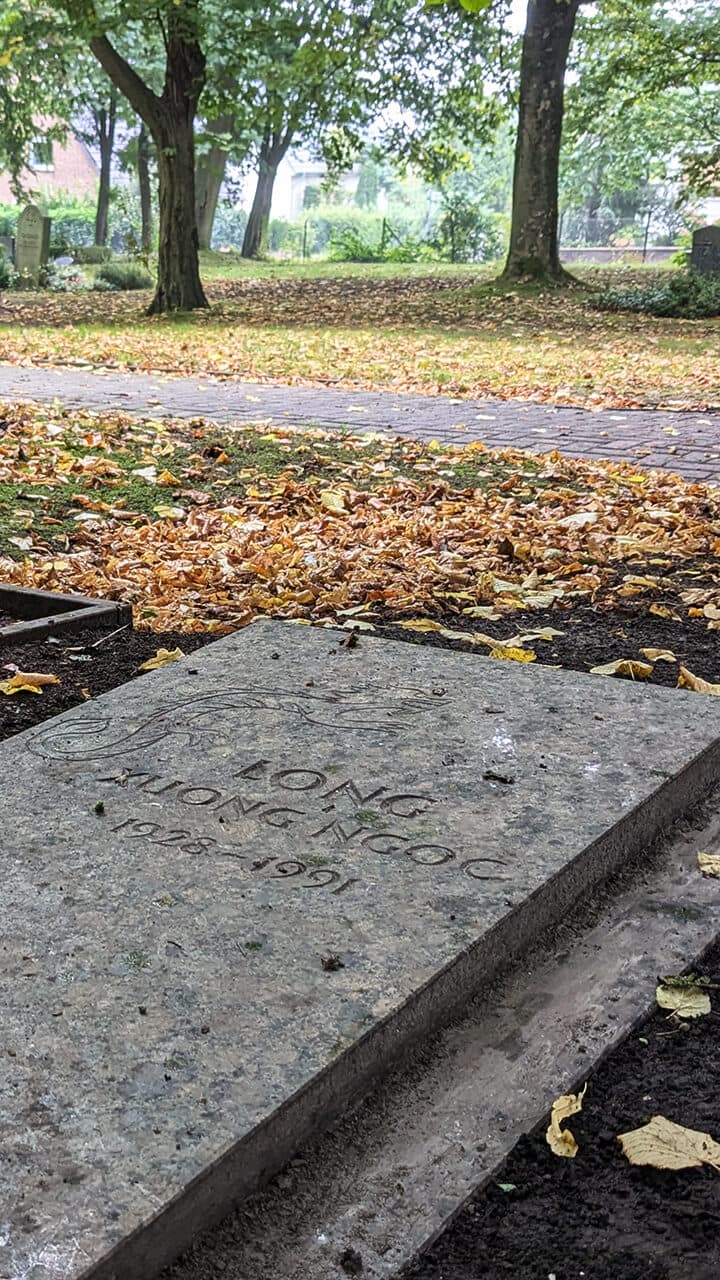
Buddhist tomb
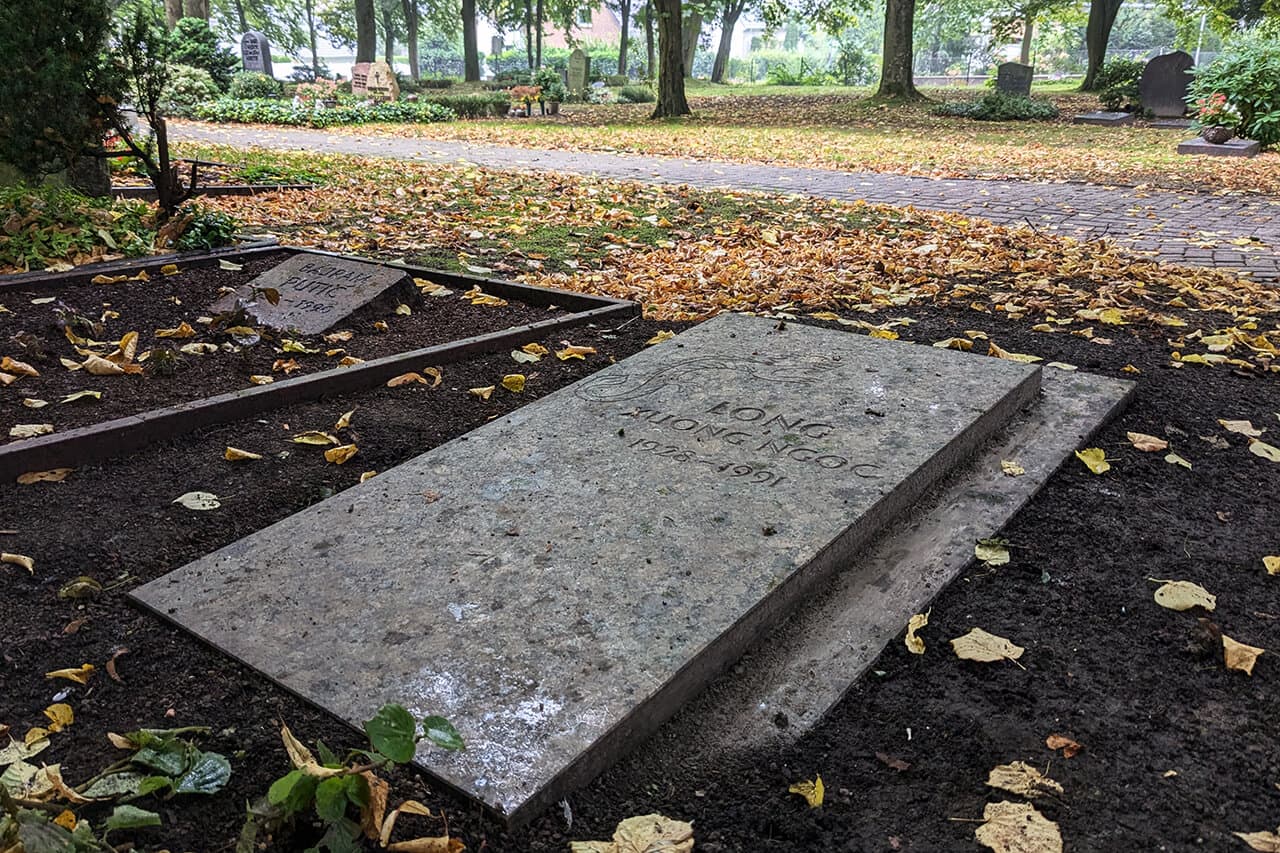
Buddhist tomb
Grabstätte Long Xuong Ngoc (1928 – 1991)
In Vietnam ist der „Volksglaube“ weit verbreitet. Er ist eine komplexe Mischung aus indigenen Praktiken, Ahnenverehrung und Elementen des Taoismus und Buddhismus. Er spielt eine entscheidende Rolle bei der Gestaltung der Werte, Traditionen und kulturellen Identität der vietnamesischen Gemeinschaft. Die Verehrung der Ahnen ist besonders wichtig im Volksglauben und spiegelt die kulturelle Betonung der familiären Bindungen und des Respekts vor den Älteren wider.
Buddhistinnen und Buddhisten glauben, dass die Energien und damit der Geist eines Menschen einen sterbenden Körper Schritt für Schritt verlassen. Die Familien sorgen dafür, dass ihr Angehöriger während des Sterbens nur gute Kräfte begleiten. Die Handlungen dabei unterscheiden sich je nach der Glaubensrichtung und Region, in der die buddhistischen Gläubigen leben.
Mönche und Angehörige versammeln sich im Haus des Verstorbenen und beten gemeinsam für die Wiedergeburt. Um ihm seinen Weg nicht zu erschweren oder zu versperren, darf den Toten in dieser Zeit niemand berühren. Wichtig ist, dass der Geist ganz in Ruhe den Körper verlassen kann. Niemand darf den Toten mit seinen Gefühlen festhalten. Weinen und Klagen am Sterbebett sind daher tabu.
Die Feuerbestattung ist die häufigste Form der Bestattung. Sarg oder Urne beerdigt man bei der buddhistischen Bestattung in einem schmucklosen Grab. An bestimmten Tagen kommen die Angehörigen dorthin, gedenken des Verstorbenen und hinterlassen Speisen und Getränke. Am ersten Todestag findet eine Feier zu Ehren des Verstorbenen statt.
Grundsätzlich kann eine buddhistische Bestattung mit den entsprechenden Ritualen auf überkonfessionellen Friedhöfen stattfinden.